
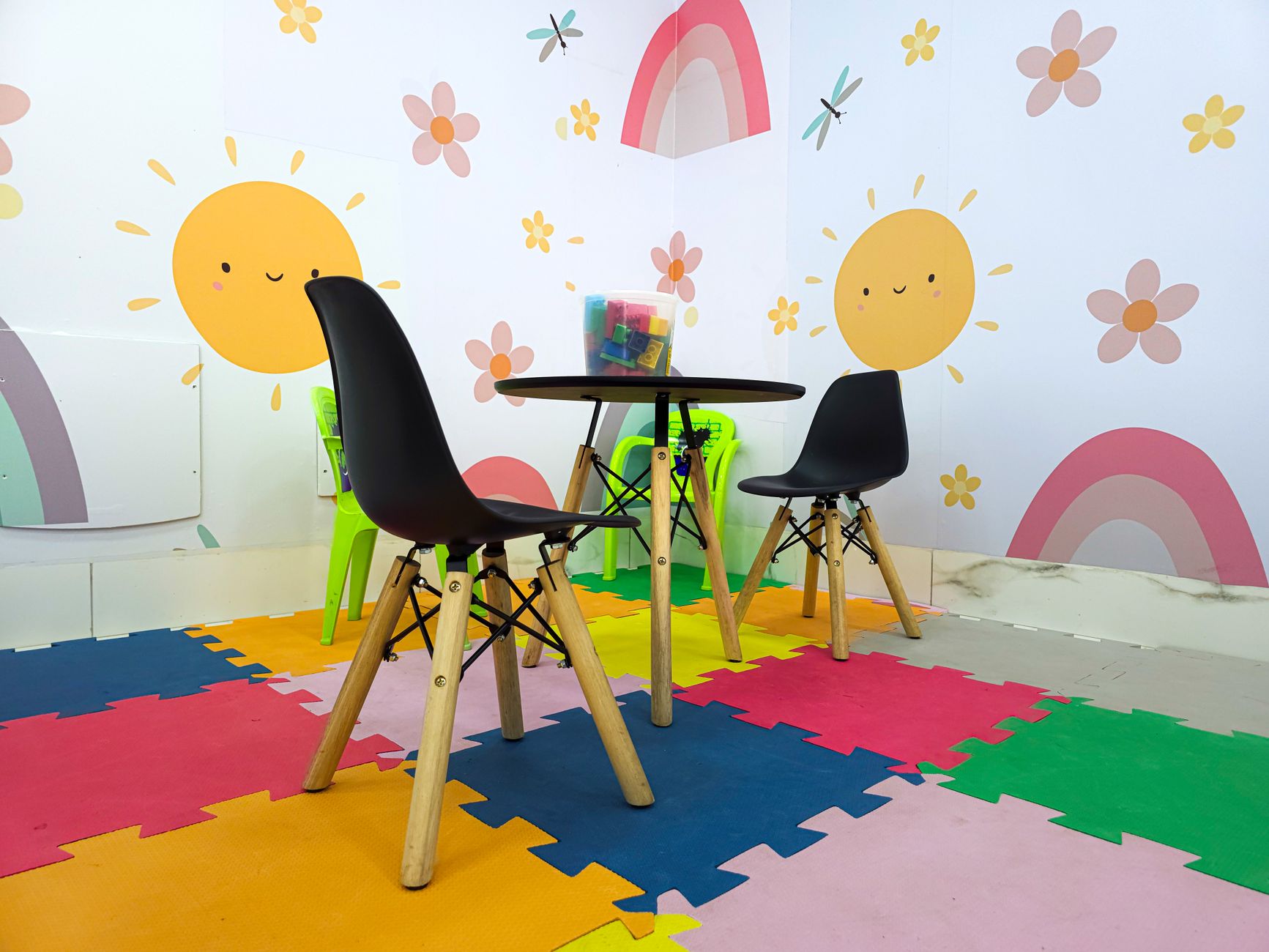
If you have heard other parents, teachers or professionals mention sensory rooms and wondered what actually happens inside one, you are not alone. Sensory rooms, sometimes called multi sensory environments, are purpose designed spaces that help children explore and regulate their senses in a safe, controlled way. For many autistic and neurodivergent children, they can be genuinely transformative.
What is a sensory room?
A sensory room is a dedicated space where lighting, sound, texture and movement can be carefully controlled and adjusted to suit an individual child. Unlike the outside world, where sensory input arrives at random and at full volume, a sensory room lets a child experience sensation on their own terms: as much or as little as they need, at their own pace.
What is inside a sensory room?
Every sensory room is different, but common sensory equipment includes:
- Bubble tubes and fibre optic lights with changing colours
- Adjustable, dimmable lighting and projectors
- Soft play surfaces, crash mats and cosy dens
- Weighted blankets, cushions and tactile panels
- Swings, rockers or wobble equipment for vestibular input
- Calming music or sound control, including quiet
The benefits of a sensory room
- Regulation. Sensory rooms help children move from overwhelmed or under stimulated states into a calm, alert state where they can engage, play and learn.
- Safe exploration. Children who avoid certain sensations can approach them gradually, in a space where nothing is forced and everything can be switched off.
- Communication and connection. Shared sensory experiences create natural moments of joint attention, turn taking and communication, especially for children with limited spoken language.
- Confidence. Mastering cause and effect (press this, and the lights change) builds agency for children who often feel the world happens to them.
- A pressure-free space for families. Parents and carers get to enjoy their child, rather than manage them.
Who can benefit from a sensory room?
Sensory rooms are best known for supporting autistic children and children with sensory processing differences, but they can also help children with ADHD, anxiety, learning disabilities, and those who have experienced trauma. In truth, almost every child enjoys them. The difference is that for some children they are a nice treat, and for others they are a genuine regulation tool.
What does a sensory room session look like?
The most important principle is that sessions are child led. There is no right way to use a sensory room. Some children spend the whole session under one blanket watching a bubble tube, and that is a successful session. A skilled adult follows the child's lead, watches what their body is asking for, and adjusts the environment rather than the child.
Bringing sensory ideas home
You do not need thousands of pounds of equipment to apply the principles at home. A pop up tent with fairy lights, a beanbag corner, ear defenders, a lava lamp and a basket of tactile toys can create a calming corner that gives your child somewhere to reset. What matters is the concept: a predictable space where your child controls the input.
Finding a sensory room near you
Sensory rooms can be found in schools, family hubs, libraries and community services across the North West, including Knowsley and the wider Merseyside area. Your local authority's SEND Local Offer website lists provision in your area, and it is always worth asking whether sessions can be booked individually so your child gets the space at their own pace.
Frequently asked questions
Are sensory rooms only for autistic children?
No. They benefit any child who struggles with regulation, attention or anxiety, though they are especially valuable for autistic children and children with sensory processing differences.
How long should a sensory room session last?
There is no fixed rule. Many children do well with 30 to 60 minutes, but the child's responses matter more than the clock.
Is a sensory room a therapy?
A sensory room is a tool rather than a therapy in itself, but used thoughtfully it supports regulation, communication and wellbeing, and it can sit alongside other support a child receives.